
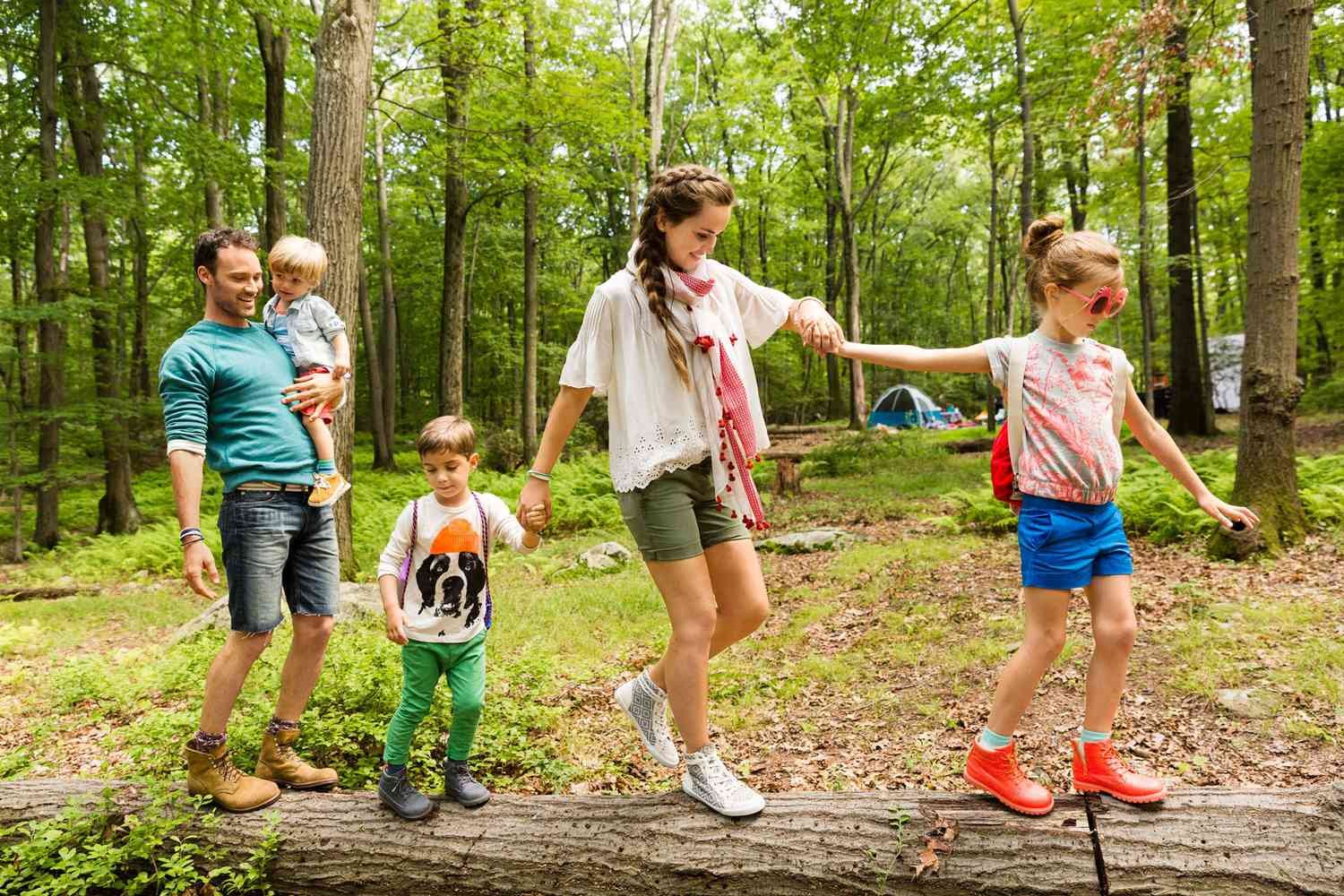
Summer opens the door to new family routines. The kids are out of school, the days are longer, and warm weather makes it easier to spend time outside. It’s a season for exploring local parks, visiting friends, discovering new places, and making memories together.
Yet more free time doesn’t always lead to more movement. From 2022 to 2024, only 52% of Canadian children ages 5 to 11 met the recommended physical activity levels. Among youth ages 12 to 17, that figure fell to only 21% (Strain et al. 2024).
That matters because movement supports much more than physical fitness. It helps children and youth build confidence, manage stress, sleep better, connect with others, and develop habits that support their well-being as they grow. Parents and caregivers understand what’s at stake. You want the kids in your life to be healthy, happy, confident, and strong, but encouraging them to move can feel like one more responsibility added to an already busy summer.
The good news is that physical activity doesn’t have to mean competitive sports, expensive programs, or intense workouts. It can begin with something simple, enjoyable, and appropriate for your entire family.
Here are eight summer activities to consider, starting with some of the easiest ways to begin. For more ideas, encouragement, and opportunities to connect with others who want to move more, you can also join the CHFI Community Hub.
1. Take a Walk
Walking is one of the simplest ways to get everyone moving. You don’t need special equipment, advanced skills, or a mountain trail. A walk around the neighbourhood, through a local park, along a waterfront, or on a community path all count.
Make the walk more interesting by creating a scavenger hunt, looking for birds, taking photos, bringing the family dog, or letting the kids choose the route.
Walking supports cardiovascular health, mobility, and endurance. It also creates space for conversation without the distractions of screens or household tasks. A walk may seem small, but small steps are how lasting habits begin.
2. Yoga in the Park
Bring a few towels or mats to a park, backyard, beach, or quiet outdoor space and try a family yoga session. You don’t need to be a yoga expert; there are plenty of beginner videos online to help you get started.
Yoga is accessible because each person can participate at their own level. Children can practice balance and coordination while adults stretch tight muscles and improve mobility. The slower pace also encourages calm breathing, focus, and relaxation.
Spending time outdoors adds another layer of benefit. Fresh air, natural light, and time away from screens help the whole family slow down and reconnect.
3. Outdoor Games
Some of the best summer activities require little more than open space and imagination. Play tag, hide-and-seek, capture the flag, hopscotch, or an obstacle course made from objects you already have. Bring a Frisbee or a ball to the park. Set up a relay race that includes skipping, crawling, balancing, or carrying a cup of water without spilling it.
These games help children develop coordination, agility, and problem-solving skills. They also make movement feel like play rather than an obligation.
Let the kids help invent the rules. When children feel a sense of ownership over an activity, they get excited to participate and keep going.
4. Plan an Active Destination
Cycling, walking, or rolling becomes more exciting when there is a destination at the end. Choose a playground, library, beach, farmers’ market, picnic area, or ice cream shop that your family can reach safely. The destination gives children something to anticipate, while the journey turns transportation into physical activity.
Start with a manageable route and take breaks when needed. Make sure everyone has appropriate safety equipment, including properly fitted helmets when cycling.
This kind of outing shows children that movement can be part of everyday life. It doesn’t always need to happen in a gym, on a field, or during a scheduled practice.
5. Go Swimming
Swimming is an excellent full-body activity that can feel especially refreshing on a hot summer day. Visit a community pool, a supervised beach, a lake, or a splash area. Children who are still developing confidence in the water can begin by wading, playing simple games, or participating in lessons with qualified instructors.
Swimming improves cardiovascular fitness, strength, coordination, and water confidence. It is also a lower-impact activity, making it a comfortable option for many people.
6. Gather Friends for a Casual Sport
Children don’t have to join a formal league to enjoy the benefits of sport. Invite another family to a local park or field for soccer, basketball, baseball, volleyball, badminton, or street hockey. Keep the teams small, adapt the rules, and focus on keeping everyone involved.
Casual sports help children practice teamwork, communication, resilience, and coordination. They also create opportunities to build friendships and experience the joy of working toward a shared goal.
7. Explore a Local Trail
A hike doesn’t have to involve steep mountains or remote wilderness. Canada is filled with urban pathways, forest walks, rail trails, conservation areas, waterfront routes, and accessible nature loops.
Choose a trail that matches your family’s experience and ability. Bring water, snacks, sun protection, and suitable footwear. Check the route, weather, and local conditions before leaving.
Walking in nature combines physical activity with curiosity and discovery. Children can look for wildlife, identify plants, listen for birds, or keep a simple nature journal. A trail also gives families a shared challenge. Reaching a lookout, completing a loop, or simply spending an hour outside can create a sense of accomplishment.
8. Try Rock Climbing
For families ready for a bigger challenge, rock climbing offers an exciting way to build strength, balance, confidence, and problem-solving skills. Indoor climbing gyms are a good place to begin because they provide equipment, instruction, and routes for different ability levels. Search online for a climbing gym, recreation centre, or youth climbing program in your area.
Outdoor climbing should only be attempted with appropriate equipment, instruction, and qualified supervision.
Climbing teaches children to think carefully, try different approaches, and keep going when the first attempt doesn’t work. Reaching the top is rewarding, but the deeper benefit is learning that progress often happens one small move at a time.
Movement Helps Families Thrive
When children and adults don’t move enough, everyday activities gradually become more difficult. Energy declines, confidence fades, and active opportunities feel increasingly intimidating.
Regular movement helps reverse that pattern. It helps family members feel stronger, sleep better, spend meaningful time together, and become more comfortable trying new things. It can also replace some isolated screen time with conversation, play, and shared experience.
And the effects reach far beyond one household.
When you invite another family to join a walk, game, bike ride, or trip to the pool, you make movement more social and accessible. Children see that being active isn’t just for athletes. It’s something families, friends, and communities can enjoy together.
Every active gathering helps create a culture in which movement feels normal, welcoming, and fun. That’s how individual choices shape healthier neighbourhoods and, ultimately, a healthier Canada.
Your Three-Step Summer Plan
Start with one summer activity, and keep it simple. The goal isn’t to achieve a certain level of performance; it’s to create a positive experience that makes everyone want to do it again.
Choose an activity that fits your family’s interests, abilities, and schedule.
Invite another person or family to join you.
Choose a day and have active fun together.
You can also join the CHFI Community Hub, where Canadians can connect with people who want to move more, exchange ideas and encouragement, and discover opportunities to get active in their communities.
Your family’s summer activities may feel like a small beginning. But when families across the country take that first step and invite others along, those small beginnings become a national movement.
Choose your activity, invite someone to join you, and enjoy moving together in this beautiful country.