What is Proactive Health, and Why Does Movement Belong at the Centre?
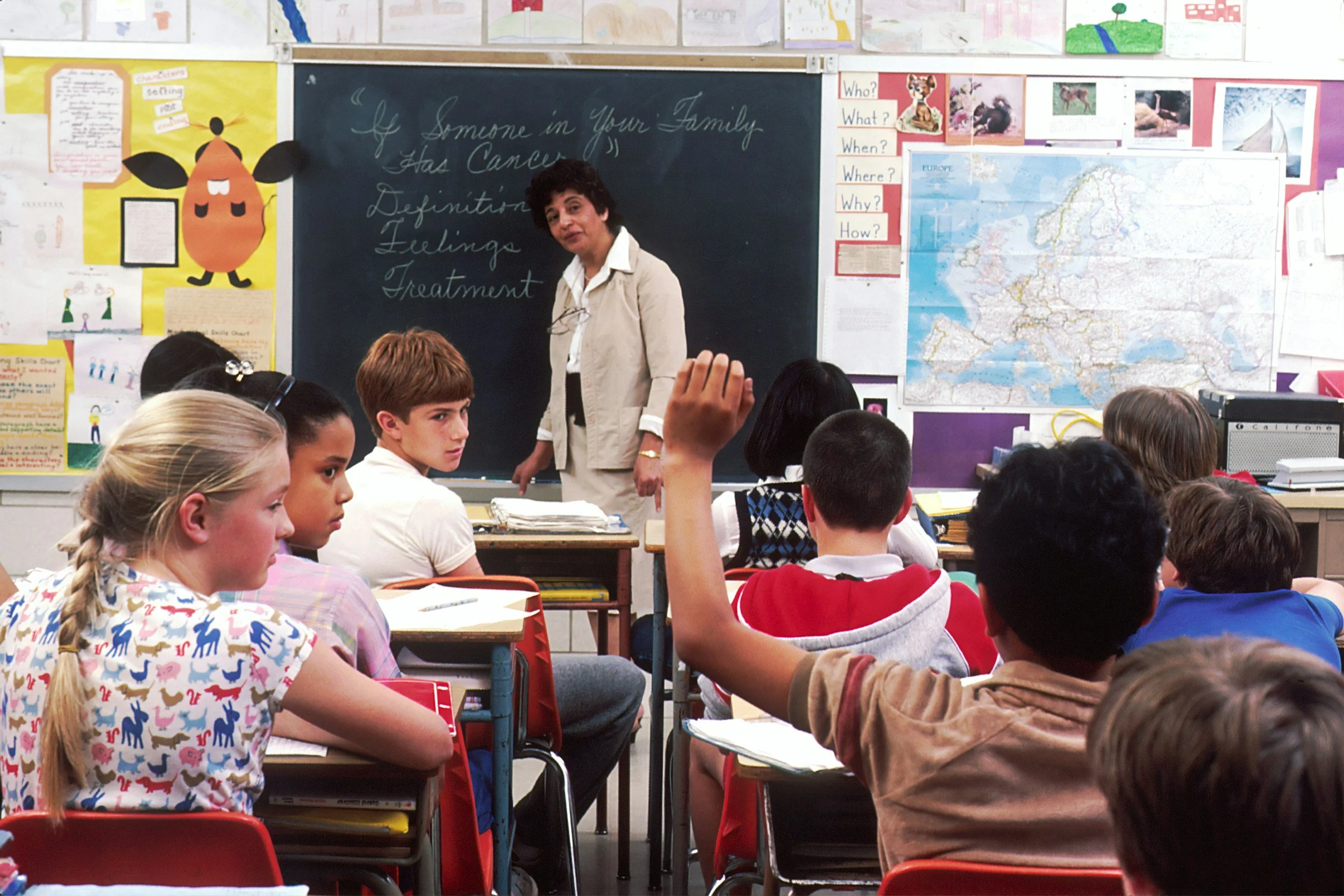
For many Canadians, the work, school, and social rhythms we all participate in have gradually designed movement out of everyday life.
Children spend much of the school day sitting, then move from the classroom to the car, and end the evening in front of a screen. Many adults commute to work or post-secondary education, sit at a desk for hours, drive home and spend the evening catching up on everything else life demands. As we get older, changes in health, mobility, confidence or social connection make an already inactive routine even harder to break.
The numbers reflect that reality. From 2022 to 2024, only 52% of Canadian children ages 5 to 11 met recommended physical activity levels. Among youth ages 12 to 17, that figure fell to 21%. Fewer than half of adults met the recommendation; many averaged more than nine hours of sedentary time each day (1).
The Effects of Inactivity Don’t Wait Until Old Age
Habits established when we are young shape the behaviours we carry into adulthood. Those adult routines, repeated across years and decades, influence our strength, mobility and health as we grow older.
Physical inactivity is associated with higher risks of cardiovascular complications, high blood pressure, type 2 diabetes, some cancers, and other chronic conditions (2). Some of these concerns begin much earlier than we tend to imagine. Type 2 diabetes, once considered to affect adults primarily, is now diagnosed in some children in their early teens (3). Evidence also shows that cardiovascular risk factors and early atherosclerotic changes can emerge during childhood and adolescence. Physical inactivity isn’t the only factor involved, but it is one important, modifiable part of the picture.
But the consequences of an inactive life aren’t only statistics or diagnoses. They show up in ordinary moments, too. Maybe carrying groceries from the car feels harder than it used to. Maybe a flight of stairs leaves you surprisingly winded. Perhaps you avoid a hike, a bike ride, or a game with friends because you aren’t confident you can keep up. Or, you might simply feel less comfortable, capable, or confident in your body than you’d like.
This may describe your personal experience. Or, maybe it sounds like that of a friend who declines invitations to active outings, a parent who doesn’t get out much anymore, or a coworker who wants to become healthier but can’t seem to get started.
Why Getting Fit Feels So Difficult
Getting started often feels like an enormous project. School and work routines already make it difficult to find the time and energy to improve personal health. On top of that, gyms and programs can be expensive, online advice can be overwhelming or contradictory, and images of fitness often feature people who already appear strong, fast, and experienced.
For someone busy, managing a disability, living with limited mobility, feeling uncomfortable in fitness spaces, or simply starting after years of inactivity, the distance between where you are and where you want to be feels impossibly large.
That’s why it helps to reframe the goal.
Proactive Health Starts Before Something Goes Wrong
At the Canadian Health and Fitness Institute, we use the idea of proactive health to describe a simple shift in perspective: instead of waiting until poor health limits what you can do, take regular steps now to support your health, function, and wellbeing over time.
Movement is a principal pathway to proactive health because it is something most of us can incorporate into ordinary life, in different ways and at different levels of ability. Moving more also creates opportunities to connect with others, participate in our communities, and support our overall wellbeing.
Physical activity doesn’t only mean organised sport, running or going to a gym. The World Health Organisation defines it broadly as bodily movement that requires energy expenditure. Walking, wheeling, cycling, active recreation, play, household tasks and many other forms of movement all count. WHO also emphasises that some physical activity is better than none.
Therefore, proactive health can take many simple forms. It might look like walking for ten minutes after lunch, playing outside with your children, or wheeling through your neighbourhood. It could also mean gardening, joining a recreational activity, or meeting a friend for a walk instead of coffee.
The point isn’t to become an athlete overnight; it’s to make movement, connection, and wellbeing more natural parts of everyday life.
That makes proactive health more accessible than traditional ideas about fitness sometimes suggest. Movement can be adapted to different ages, abilities, interests and starting points. Appropriate activity may look different for people living with disabilities or health conditions, but the principle remains: find ways to move that work for your body and circumstances.
Start Where You Are
A proactive approach to health doesn’t require reinventing your life. Start with a simple plan to integrate movement into your existing school, work, family, and social routines:
Notice how much you move now. How much time do you spend sitting, and where might natural opportunities for movement already exist?
Choose something realistic. Start with an activity that suits your interests, abilities, schedule and current fitness level.
Make it social and repeatable. Invite someone to join you, connect with a group, or build movement into a routine you already have.
Build gradually. Consistency matters more than trying to change everything at once.
CHFI works to make those steps easier by bringing people, ideas, organisations, and communities together to create opportunities that encourage regular movement.
You can find all of that in the CHFI Community Hub, including conversations, resources, encouragement, and opportunities to get moving with others.
Making movement more central to your life won’t transform everything overnight. But one realistic step today can become a routine, and a routine can become a healthier way of living. Instead of watching physical activities with the people you love become harder, you can begin building the strength and confidence to keep doing more of what matters to you.